Mastering the Art of Copy and Line Editing: A Comprehensive Guide
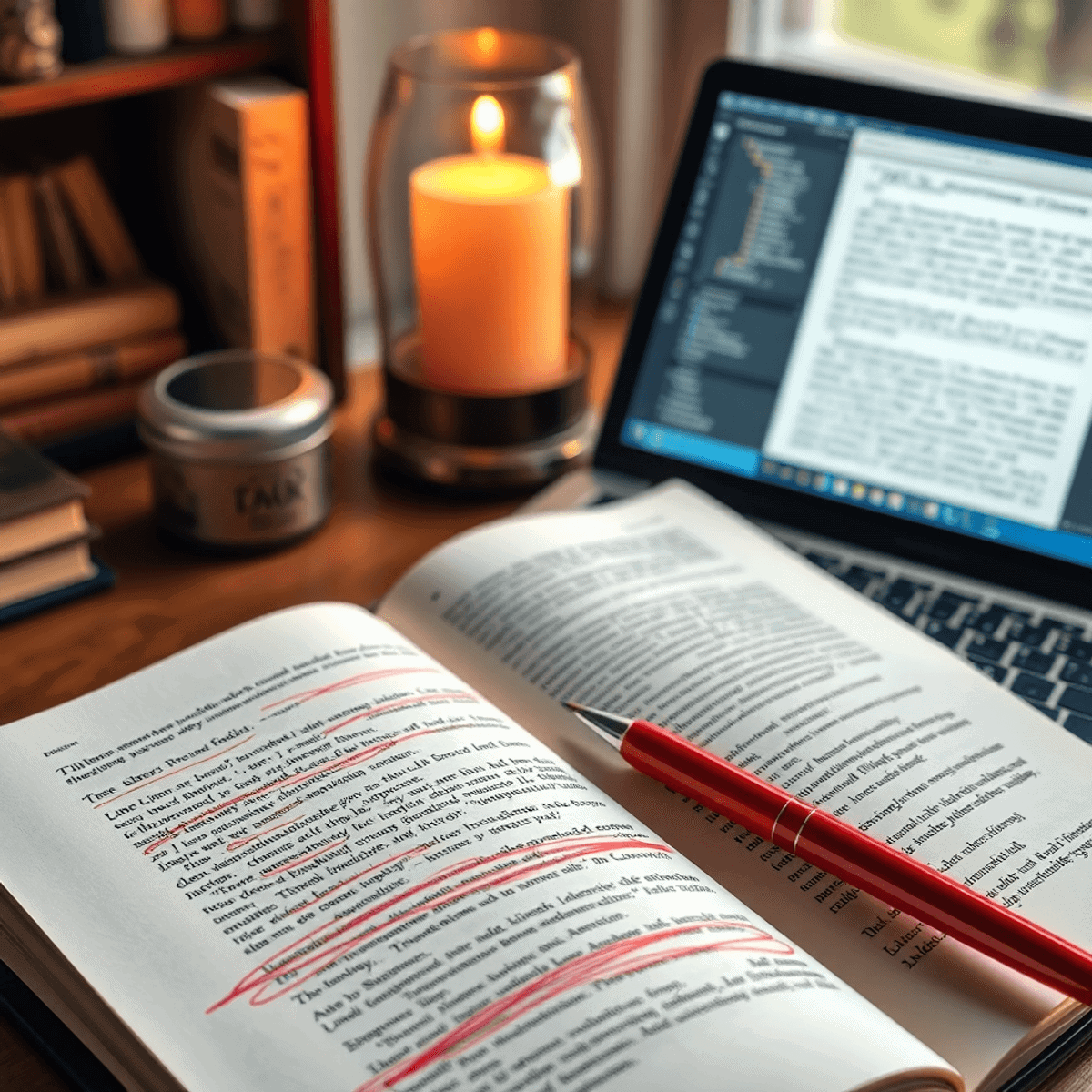
Editing is a crucial step in the publishing process that transforms a manuscript into its final, polished version. It involves a careful and detailed approach to improve the writing and bring out its full potential.
In this guide, we will explore the different stages of editing and their importance in refining content. We will focus specifically on copy editing and line editing, two distinct but interconnected phases that work together to enhance the quality and coherence of written works.
This comprehensive guide aims to:
- Explain the differences between copy editing and line editing
- Highlight the specific roles each stage plays in preparing a manuscript
- Provide practical tips and techniques for mastering these editorial processes
Whether you're an aspiring editor, a writer looking to improve your self-editing skills, or simply someone interested in the art of editing, this guide is designed for you. With a focus on precision, creativity, and technical expertise, we hope to inspire and empower you on your journey towards becoming a better editor.
Understanding the Editorial Process
The editorial process typically involves several stages from initial manuscript submission to final publication. These phases include:
- Developmental Editing: This stage focuses on the overall structure, content, and organization of the manuscript. It involves working closely with the author to shape the story, strengthen character arcs, and improve pacing.
- Line Editing: In this phase, the editor examines the manuscript at a sentence and paragraph level. The goal is to refine the creative content by enhancing writing style, clarity, tone, and emotional impact.
- Copy Editing: This stage ensures technical accuracy by correcting grammar, punctuation, spelling errors, and enforcing style guide standards. The copy editor also checks for consistency in formatting and fact-checking.
- Proofreading: The final step before publication involves a thorough review of the manuscript to catch any remaining errors or typos.
By understanding how these editorial stages work together in the manuscript development process, authors can effectively enhance their writing quality and prepare their work for publication seamlessly.
The Art of Line Editing
Line editing goes beyond just fixing grammar and spelling mistakes. It focuses on the style of writing and the flow of the story, which are crucial for creating a captivating reading experience. This is the stage where we take the raw storytelling and turn it into beautifully crafted prose, making sure that every sentence and paragraph speaks directly to the reader.
What is Line Editing?
Line editing is all about improving your writing at the sentence and paragraph level. Its main goals are to make your ideas clearer, set the right tone, control the pace of your story, and evoke emotions in your readers. Unlike copy editing, which deals with technical aspects like grammar and punctuation, line editing is concerned with how you express things.
During this process, we pay close attention to:
- Voice: Ensuring that your unique writing style shines through.
- Resonance: Making sure that your ideas connect with readers on a deeper level.
- Atmosphere: Creating an immersive setting that draws readers into your world.
Why Tone, Atmosphere, and Emotion Matter
Have you ever read a suspenseful thriller that suddenly felt flat or a heartfelt memoir lacking warmth? These disconnects often occur due to unrefined tone or inconsistent emotional cues. Line editors carefully adjust these elements to create a seamless reading experience:
- Tone Adjustment: Ensuring consistency so the mood matches the story’s intent.
- Atmosphere Building: Using word choice and imagery to create vivid settings.
- Emotional Enhancement: Highlighting feelings without over-explaining or underplaying them.
These refinements transform good writing into unforgettable storytelling.
Techniques for Stronger Sentences and Paragraphs
Line editors employ various strategies to elevate writing style:
- Tightening sentences by cutting unnecessary words or redundancies.
- Reworking awkward phrasing for natural rhythm.
- Improving transitions between ideas to maintain smooth narrative flow.
- Balancing sentence length for effective pacing.
- Strengthening dialogue for authenticity and character voice.
Take this example:
Original: He quickly ran down the street very fast because he was late.
After line edit: He sprinted down the street, racing against time.
The difference? Clearer action with better pacing and a sharper image.
Key Objectives of Line Editing
Here are some key objectives that line editing aims to achieve:
- Clarity Enhancement: Removing confusion or ambiguity so readers understand every nuance.
- Tone Refinement: Aligning language with the story’s mood and voice.
- Pacing Improvement: Managing sentence structure to keep momentum without rushing or dragging.
Common Challenges Tackled by Line Editors
Writing naturally evolves with habits that sometimes clutter prose:
- Overused words or phrases that lose impact (“very,” “just,” “really”).
- Unnatural or stilted phrasing that breaks immersion.
- Poor transitions causing jarring jumps between scenes or ideas.
Addressing these issues turns rough drafts into polished gems ready for the next editorial stage.
Mastering line editing equips you to shape stories that resonate deeply—where every sentence contributes meaningfully to the art of storytelling itself.
The Craft of Copy Editing
Copy editing focuses on the technical accuracy of a manuscript. While line editing refines the artistic soul of the writing, copy editing is its meticulous guardian, ensuring every detail aligns with professional standards. This stage is where grammar correction, punctuation precision, and spelling consistency become non-negotiable.
What Does Copy Editing Cover?
- Grammar Correction: Fixing subject-verb agreement, verb tense consistency, sentence fragments, run-on sentences, and other common grammatical pitfalls.
- Punctuation Rules Adherence: Ensuring commas, semicolons, hyphens, and quotation marks appear where they should. For example, distinguishing between em dashes and en dashes or applying serial commas consistently.
- Spelling Consistency Checks: Verifying uniform spelling choices, especially for words with multiple variants (e.g., “color” vs. “colour”), and catching typos that slipped through earlier reviews.
Copy editors are the style police, enforcing adherence to established style guides such as the Chicago Manual of Style or specific house styles. This means:
- Applying rules for capitalization and abbreviation
- Formatting numbers according to guide recommendations
- Managing citations and references uniformly
Adhering to these guides transforms a draft into a polished manuscript that meets industry expectations.
Internal Consistency Is King
Beyond grammar and punctuation lies a less obvious responsibility — maintaining internal consistency. Copy editors watch out for:
- Plot Consistency Verification: Ensuring events occur in logical sequence without contradictions.
- Character Traits Consistency Checking: Confirming that character details like names, occupations, or physical descriptors remain steady throughout the text.
This kind of fact-checking keeps readers immersed rather than puzzled by conflicting information.
"A great copy editor is like a detective who spots inconsistencies and corrects errors before they reach readers," shares Julia M., an experienced editor who’s worked on bestselling novels.
The craft of copy editing demands sharp eyes for detail and deep familiarity with language rules. When done well, it elevates manuscripts from rough drafts to professional-ready works — every comma in place, every fact double-checked. This discipline complements line editing perfectly by focusing on technical integrity while preserving the author’s voice and intent.
An Editor's Guide to Copy and Line Editing highlights how mastering both disciplines equips editors with powerful tools to serve authors and publishers alike.
Line Editing vs. Copy Editing: Understanding the Differences
When it comes to the world of editing, there are various roles that contribute to shaping a piece of writing. Two important editorial roles are line editing and copy editing. While they may seem similar at first glance, they have distinct differences in their focus areas and the stage at which they occur in the editorial process.
Focus Areas: Creative vs Technical Aspects
One of the key differences between line editing and copy editing lies in their focus areas.
- Line Editing: This type of editing primarily focuses on the creative aspects of a piece. Line editors work closely with the author to enhance the overall flow, structure, and style of the writing. They pay attention to elements such as character development, plot progression, and dialogue improvement. The goal of line editing is to make the story more engaging and impactful.
- Copy Editing: On the other hand, copy editing is more concerned with the technical aspects of writing. Copy editors review the text for grammar, punctuation, spelling, and consistency errors. They also ensure that the writing adheres to specific style guides or formatting requirements. The objective of copy editing is to polish the manuscript and eliminate any distractions that may hinder the reader's experience.
Sequence in the Editorial Timeline
Another significant difference between line editing and copy editing is their position in the editorial timeline.
- Line Editing Comes First: Line editing typically occurs after the initial draft has been completed but before any final proofing takes place. It is an opportunity for authors to receive feedback on their work and make necessary revisions based on the editor's suggestions.
- Copy Editing Follows: Once line edits have been made and the manuscript is closer to its final form, copy editing comes into play. This stage involves a meticulous review of the text to catch any remaining errors or inconsistencies.
Understanding these differences can help writers navigate through the editorial process more effectively. Both line editing and copy editing are crucial steps in refining a piece of writing, each serving its own purpose in creating a polished final product.
The Importance of Proofreading After Editing
Proofreading is the last step before your manuscript gets published. It's a crucial part of the process that helps ensure your work is error-free.
What Does Proofreading Focus On?
During proofreading, the goal is to find and correct any mistakes that may have been missed during the previous editing stages. Here are some specific areas that proofreading targets:
- Misspelled names and places
- Incorrect or broken URLs
- Double words or missing words
- Awkward word breaks or hyphenation issues in the formatted text
What Proofreading Doesn't Do
It's important to understand what proofreading is not. This stage is not meant for major changes or restructuring of your content. Instead, it focuses on small, precise adjustments that eliminate surface errors while maintaining the flow and style of your writing.
Why You Shouldn't Proofread Your Own Work
As an author, you might be tempted to proofread your own work. However, this can be risky. When you're too familiar with your writing, it's easy to overlook mistakes because your brain fills in gaps and assumes everything is correct.
To avoid this pitfall, it's best to have someone else proofread your work. A professional proofreader can offer an objective perspective and catch errors that you might miss.
The Benefits of Professional Proofreading
Professional proofreaders bring a fresh set of eyes to your manuscript. They have the expertise to spot tiny details that matter at this final stage.
The importance of proofreading lies in preserving all the hard work done during editing phases while preventing embarrassing mistakes from slipping into print or digital release. It guarantees a clean, professional presentation that honors your story and respects your readers’ experience.
Best Practices for Effective Copy and Line Editing
Mastering editing techniques requires a blend of focus, patience, and methodical approaches. Here are some manuscript refinement strategies to help you navigate both line and copy editing stages with confidence:
Systematic Approach to Line Editing
- Read aloud to catch awkward phrasing and rhythm issues that silent reading might miss.
- Break the text into manageable chunks; tackle one scene or chapter at a time to maintain focus on tone, clarity, and flow.
- Highlight repetitive words or phrases and replace them with varied vocabulary to keep readers engaged.
- Watch for pacing: tighten slow passages by cutting unnecessary details; expand rushed sections to improve reader immersion.
- Use margin notes or digital comments to flag areas needing further revision without losing your train of thought.
Strategies for Thorough Copy Editing
- Keep style guides handy, such as The Chicago Manual of Style, ensuring consistency in punctuation, capitalization, and formatting.
- Create a checklist tailored to the manuscript’s needs—grammar rules, spelling variations (American vs. British English), citation formats, etc.
- Verify internal consistency, including character names, timeline events, and factual accuracy.
- Utilize trusted grammar and spell-check tools but never rely solely on automated corrections; human judgment is irreplaceable.
- Take breaks between editing sessions to approach the text with fresh eyes, catching errors easily overlooked when fatigued.
An Editor’s Guide to Copy and Line Editing thrives on these disciplined yet flexible methods, turning raw manuscripts into polished works ready to captivate readers.
Tools and Resources for Editors
Every editor’s toolkit benefits from a mix of reliable software and trusted reference materials. Choosing the right editing software can save hours and boost accuracy by flagging grammar slips, style inconsistencies, and awkward phrasing that might slip past even the sharpest eye.
Top editing software recommendations:
- Grammarly – Great for catching grammar, punctuation, and style issues with helpful explanations.
- ProWritingAid – Offers deep reports on readability, repeated words, sentence length variation, and more.
- Hemingway Editor – Focuses on clarity by highlighting complex sentences and passive voice.
- PerfectIt – Ideal for enforcing style guide consistency across long documents.
Diving into established style guides is non-negotiable for maintaining editorial standards. The Chicago Manual of Style remains a gold standard in publishing—covering everything from capitalization to citation formats. Many publishers also rely on Associated Press Stylebook or MLA Handbook depending on their niche.
An invaluable companion is An Editor's Guide to Copy and Line Editing, a resource that walks editors through practical techniques while emphasizing real-world challenges. It blends theory with hands-on advice, perfect for sharpening your skills beyond software checks.
“Software can catch many errors but knowing when—and why—to apply specific style rules distinguishes a good editor from a great one.”
Invest time in these tools and references; they empower you to polish manuscripts with confidence, consistency, and flair.
FAQs (Frequently Asked Questions)
What is the difference between copy editing and line editing in the editorial process?
Copy editing focuses on technical accuracy, including grammar, punctuation, spelling, and adherence to style guides like the Chicago Manual of Style. Line editing, on the other hand, emphasizes refining writing style, narrative flow, tone, atmosphere, and clarity within sentences and paragraphs. Both are essential stages in manuscript preparation but address different aspects of editing.
Why is line editing important for enhancing a manuscript's quality?
Line editing improves tone, pacing, and emotional impact by refining sentence structure and narrative flow. It addresses challenges such as overused words, unnatural phrasing, and poor transitions to enhance clarity and reader engagement. This creative aspect of editing helps bring out the author's voice and storytelling effectiveness.
What role does proofreading play after copy and line editing?
Proofreading serves as the final stage before publication to catch any remaining errors or inconsistencies missed during earlier edits. It ensures the manuscript is polished and error-free. Authors are advised against self-proofreading due to risks of oversight; instead, a fresh set of eyes helps maintain quality control.
How do editors maintain consistency throughout a manuscript during copy editing?
Copy editors enforce internal consistency by verifying plot details, character traits, terminology usage, and stylistic uniformity according to established style guides. They correct grammar errors, punctuation mistakes, and spelling inconsistencies to ensure a coherent and professional final manuscript.
What are some best practices for effective copy and line editing?
Effective editing involves systematic approaches such as thoroughly reviewing manuscripts in stages—first focusing on line edits for style and clarity, then copy edits for technical accuracy. Utilizing style guides consistently and employing recommended software tools for grammar and style checking can enhance efficiency and precision in the editorial workflow.
Which tools and resources are recommended for editors involved in copy and line editing?
Editors should use reliable editing software that supports grammar correction and style checking to streamline the process. Consulting established style guides like the Chicago Manual of Style is crucial for maintaining standards in punctuation, spelling, formatting, and overall editorial consistency throughout manuscript preparation.
Copyright 2025, Troy "the Plot Dude" Lambert, All Rights Reserved
“Plot Nihilists believe in nothing. Don’t be like them.”